

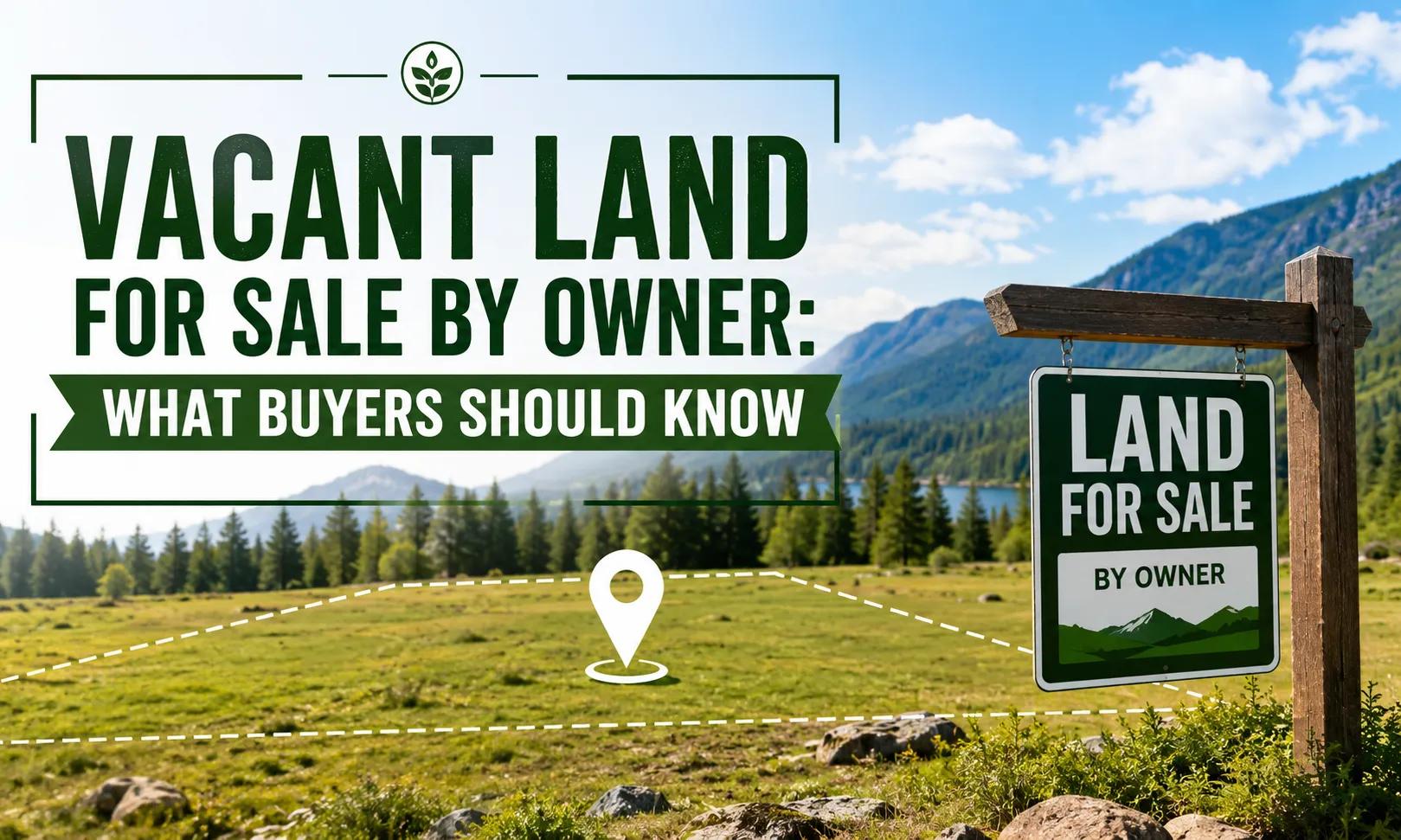
Buying land can be an exciting opportunity, whether you want to build a home, create a recreational retreat, or make a long-term investment. One option worth exploring is vacant land for sale by owner. These properties are marketed directly by the owner rather than through a traditional real estate agent, which can sometimes provide buyers with more flexibility during the purchasing process.
However, buying vacant land is different from purchasing a completed home or commercial property. Before making an offer, buyers should understand zoning, access, utilities, taxes, financing, and other factors that can affect the property's value and usability.
What Is Vacant Land?
Vacant land is a parcel that does not currently have a permanent structure such as a house or commercial building. Depending on its location and zoning, vacant property may be suitable for residential development, recreation, agriculture, investment, or other approved uses.
Because there is no existing building, buyers have more freedom to determine how they may eventually use the property. At the same time, vacant land can require additional research because there may be no existing utilities, roads, or improvements.
Why Consider Buying Land Directly From the Owner?
There are several reasons buyers may consider purchasing directly from a property owner.
Potential for a More Direct Transaction
When dealing directly with the owner, buyers can communicate with the person selling the property. This may make it easier to ask questions about the land, its history, taxes, access, and known restrictions.
More Opportunities to Negotiate
Some owner-sold properties may offer room for negotiation regarding price or terms. However, buyers should still compare the asking price with similar properties and research recent land values before making an offer.
Greater Choice
Owner-listed properties can include parcels that may not receive the same exposure as properties listed through traditional real estate channels. Searching multiple sources can help buyers discover additional opportunities.
Research the Property Before Buying
One of the most important steps when purchasing vacant land is conducting proper due diligence.
Start by confirming the property's legal description, parcel number, acreage, and ownership information. County assessor and recorder offices can often provide useful public records.
You should also investigate:
Property taxes
Zoning regulations
Building restrictions
Easements
Road access
Property boundaries
Flood zones
Environmental considerations
Homeowners' association rules, if applicable
Mineral, water, or other property rights
Never assume that land can automatically be used for whatever purpose you have in mind. Local regulations determine what activities and improvements may be permitted.
Check Road and Legal Access
Physical access is another major consideration. A parcel may appear easy to reach on a map but have limited or no legal access from a public road.
Ask whether the property has legal road access and determine how the access is established. If an easement provides access through another property, review the relevant documents carefully.
It is also useful to visit the property when possible. Seeing the land in person can reveal road conditions, terrain, neighboring properties, and other details that may not be obvious online.
Understand Utilities and Development Costs
Vacant land may not have electricity, water, sewer, or other utilities already available.
If you plan to build, investigate the cost and feasibility of bringing utilities to the property. Depending on the location, you may need a well, septic system, solar power, propane, or other alternatives.
Development expenses can sometimes be substantial, so the purchase price should not be the only number you consider. Calculate the estimated total cost of acquiring and improving the property before committing to the purchase.
Verify Zoning and Land Use Rules
Zoning regulations determine how a property can legally be used.
For example, a parcel may be zoned for residential, agricultural, commercial, recreational, or mixed-use purposes. Some areas may also have minimum building sizes, setback requirements, occupancy restrictions, or limitations on camping and temporary structures.
Contact the appropriate county or municipal planning department to verify the current zoning rules. If your intended use is important to the purchase decision, get confirmation before closing.
Consider the Land's Location
Location plays a significant role in land value.
Consider proximity to roads, towns, employment centers, outdoor recreation, public services, and other amenities that may matter to you. Also look at surrounding properties and future development plans.
A lower-priced parcel in a remote area may be attractive for recreation or privacy, while a parcel near a growing community could have stronger long-term investment potential.
Review the Title and Property Records
A title search can help identify potential ownership issues, liens, easements, and other claims affecting the property.
Before closing, buyers should make sure they understand exactly what rights are being transferred. Depending on the transaction, working with a title company or qualified real estate professional can provide additional protection.
Title insurance may also be worth considering, depending on the property and transaction.
Visit the Property If Possible
Online listings, satellite images, maps, and photographs are useful, but they cannot always replace an in-person visit.
Walking the property can help you evaluate:
Terrain and elevation
Vegetation
Road conditions
Drainage
Nearby development
Property markers
Views and surroundings
Potential building locations
If you cannot visit personally, consider having someone you trust inspect the property or obtain professional assistance.
Understand Financing Options
Financing vacant land can work differently from financing a traditional home.
Some lenders may have stricter requirements for land loans, including larger down payments or shorter repayment periods. Other buyers may use savings or seller financing when available.
Before shopping seriously, determine your budget and understand the total costs associated with the purchase, including closing costs, taxes, title services, and potential development expenses.
Think About Your Long-Term Goals
Before buying, determine why you want the property.
Are you looking for a future homesite? A recreational getaway? A place for camping? Agricultural use? Or are you primarily interested in long-term land investment?
Your goal should guide the type of property you choose. A parcel that works well for recreation may not be appropriate for building a permanent residence, and an investment property may have different requirements from a future homesite.
Benefits of Owning Vacant Land
Vacant land can offer several potential advantages. Unlike a property with an existing building, there may be fewer structures to maintain. Land can also provide flexibility for future plans, subject to local laws and restrictions.
For some buyers, owning land can be a way to diversify their assets. Others appreciate having a property where they can spend time outdoors or work toward a future development project.
However, land is not automatically a profitable investment. Buyers should research the market carefully and understand the costs, risks, and limitations associated with each property.
Why Choose Landopia?
Landopia helps buyers discover affordable land opportunities across the United States. The company focuses on making land ownership more accessible by offering a range of raw and vacant land listings and providing support throughout the purchasing process. For buyers interested in exploring available properties, Landopia can be a useful starting point for finding land that aligns with their budget, location preferences, and long-term goals.
Final Thoughts
Finding vacant land for sale by owner can open the door to a variety of possibilities, from creating a future homesite to pursuing recreational plans or building a long-term land portfolio. But the best purchase is one backed by careful research.
Before making an offer, verify zoning, legal access, utilities, taxes, title information, property boundaries, and development requirements. Compare the property with similar land in the area and consider both the purchase price and future expenses.
With proper due diligence and a clear understanding of your goals, buying vacant land can be a rewarding step toward owning property and planning for the future.